
Driving Emergencies & Mechanical Failures: What to Do
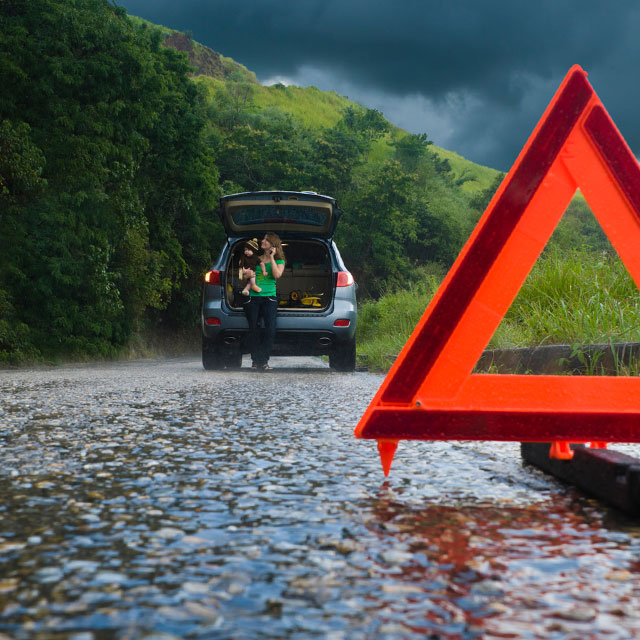
Whether you drive every day or only occasionally, being prepared for the unexpected is part of being a safe, defensive driver. This guide covers what to do if your vehicle skids, drifts off the road, or experiences a mechanical failure from a flat tire to brake failure to an engine fire. The most important rule across every scenario: stay calm, and think before you act.
Vehicle Skids
A skid happens when your tires lose grip on the road surface. If it happens:
- Don't hit the brakes suddenly or hard take your foot off the gas pedal instead.
- Turn the steering wheel in the direction of the skid, then gently straighten the wheels as you regain control.
- Avoid skids in the first place by slowing down in poor weather and keeping your tires in good condition.
Drifting Onto a Soft Shoulder
A soft shoulder is different from a standard paved shoulder it may be made of gravel, dirt, or other weaker material, offering much less traction, and is sometimes set at a different level than the road. If your vehicle drifts onto one:
- Don't panic or slam on the brakes.
- Don't try to aggressively steer back onto the road.
- Keep your eyes on traffic in front of and around you.
- Steer carefully, hold your path, and ease off the gas to slow down gradually.
- Once you've slowed below 30 mph and confirmed it's clear, turn the wheel slightly left, then immediately counter-steer and straighten out.
Going Into a Ditch
If your vehicle goes into a ditch, don't panic as long as you don't crash into an obstacle, it doesn't have to become a major incident. Aggressive turning can cause a rollover, so:
- Don't brake hard or turn aggressively.
- Keep driving down the ditch rather than fighting it.
- Hold the steering wheel firmly.
- Gradually release the gas pedal.
- If possible, choose the path that follows the slope down.
Flat or Blowout Tires
Regularly check your tire tread condition see our guide to the tire penny test for how to check tread depth at home. If a tire blows out or goes flat while driving:
- Grip the steering wheel firmly.
- Don't slam on the brakes.
- Activate your hazard lights.
- Ease off the gas and let your car slow down gradually.
- Signal and carefully move to the right side of the road, watching mirrors and traffic.
- Once below 30 mph, roll fully onto the shoulder or a safe area away from traffic, then brake lightly and continuously to a stop.
- If you're comfortable changing the tire yourself, watch for traffic closely heavy traffic makes this risky. If not, call for professional help.
- If you need to call for help, avoid walking on a multilane highway; use a roadside call box if one is available, and stay as far from traffic as possible.
Brake Failure
If you press the brake pedal and it goes straight to the floor with no resistance, that's brake failure.
- Don't panic.
- Pump the brake pedal a few times this warns drivers behind you and may build pressure in the brake line.
- Use your parking/hand brake, pulling it firmly.
- Shift into a lower gear, which helps slow the vehicle.
- Steer toward the right side of traffic and, if needed, into something soft like bushes to slow down.
Power Steering Failure
If your steering wheel suddenly becomes difficult to turn, you've lost power steering assistance. Use both hands and as much strength as needed to steer, and bring the vehicle to a stop as soon as it's safe to do so. Power steering failure can sometimes accompany brake failure, so be ready to use those steps as well.
Accelerator Sticking
Carbon buildup can occasionally cause the gas pedal to stick. If this happens, shift into neutral, slow down, and pull over. Once stopped, put the vehicle in park, turn off the engine, and try to free the pedal with your foot.
Headlight Failure
In Texas, headlights are required from 30 minutes after sunset to 30 minutes before sunrise, any time visibility drops below 1,000 feet, and whenever your wipers are running due to rain or snow. If your headlights go out while driving:
- Don't panic or stop suddenly.
- Slow down and pull over to the shoulder.
- Turn on your hazard lights.
- If your high beams still work, you can use them cautiously to reach a safe location.
- If both high and low beams are out, check your other lights a total electrical failure could also stall your engine.
- If you can't fix it yourself, call for professional help.
Dead Battery / Jump Starting
A dead battery often from lights left on means your vehicle won't start. You can jump-start it safely from another vehicle's battery:
- Position the two vehicles so they don't touch.
- Remove vent caps from both batteries, if present.
- Turn off lights, heater, and radio in both vehicles.
- Connect the black (negative) posts with a black jumper cable.
- Connect the red (positive) posts with a red jumper cable.
- Start the donor vehicle and let it run a few minutes.
- Start the vehicle receiving the jump.
- Remove the cables in reverse order.
Overheated Engine
An overheated engine can result from a coolant leak, a broken water pump, or a failed fan belt. If your temperature gauge climbs into the hot range or you see steam from the front of the vehicle:
- Turn off the air conditioner to reduce engine load.
- Pull off the road and turn off the engine to let it cool.
- Don't open the hood or remove the radiator cap until it's cool.
- Never pour cold water on a hot engine it can crack the engine block.
- If coolant is low once cooled, top it off, and check hoses for blockages or damage.
- If the temperature climbs again after restarting, pull over and seek professional help.
Vehicle Fire
Electrical or fuel system failures can cause a vehicle fire. If this happens:
- Pull over as far from traffic as possible.
- Stop the vehicle and turn off the ignition.
- Get yourself and all passengers out immediately.
- Use a fire extinguisher if you have one and it's safe to do so.
- Call the fire department if you can't control it yourself.
- If fire is spreading toward the rear of the vehicle, move well away the fuel tank is typically located there and can explode.
Windshield Wiper Failure
Keep wipers clear of debris, since buildup can overload the motor and blow a fuse. If your wipers fail while driving in rain or snow:
- Pull off the road safely, away from traffic.
- See if you can resolve the issue yourself.
- If not, wait until conditions improve enough to drive safely without them, then get them repaired as soon as possible.
Hood Latch Failure
A worn hood latch can fail and cause your hood to fly up, blocking your view of the road.
- Don't panic or slam on the brakes.
- Put your head out the driver-side window to see around the hood while slowing down.
- Pull off the road and activate your hazard lights.
- Attempt to fix the latch once safely stopped.
Loss of Oil Pressure
An oil pressure warning light usually means your engine is low on oil or the oil pump isn't circulating enough to protect critical engine components. If this light comes on while driving, pull over quickly, turn off the engine, and investigate before continuing carrying a spare quart of oil can help in a pinch.
For more on staying safe in poor driving conditions, see our guide to driving safely in severe weather.