
Seat Belt Safety
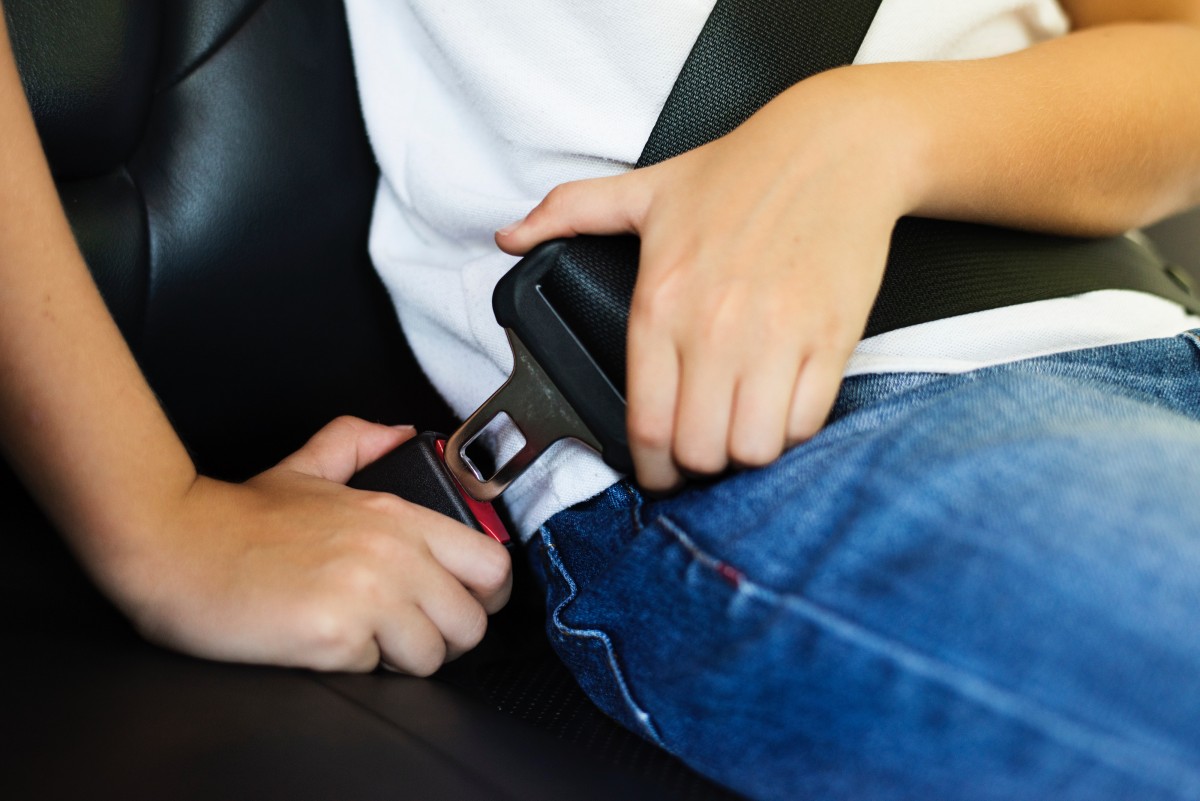
Wearing a seat belt is state law in Texas not a suggestion. Per the Texas Driver Handbook, every driver and passenger, regardless of age, must use a safety belt if their seat is equipped with one. Children under 8 must be secured in a federally-approved child safety seat unless they're taller than 4'9". This applies to passenger vehicles, pickups, SUVs, and trucks alike.
Why Seat Belts Matter
Seat belts protect you in several ways:
- They keep you from being thrown from the vehicle your chances of being killed are roughly five times greater if you're ejected in a crash.
- They reduce the force of hitting the dashboard or windshield.
- They help you maintain better control of the vehicle.
Whatever the reason for skipping a seat belt, it's both dangerous and a violation of Texas law. You and your passengers can be cited for not wearing one, and if a passenger under 16 isn't buckled in, the driver can be cited as well.
Wearing Your Seat Belt Correctly
- The shoulder harness should sit across your shoulder and chest with minimal slack never under your arm or behind your back, which can cause serious internal injuries in a crash.
- The lap belt should sit snug and low across your hips. Worn too loose or too high, you could slip out of it during a crash.
- Pregnant drivers should wear the lap belt as low as possible under the abdomen, with the shoulder strap positioned between the breasts and to the side of the belly.
In a side-impact crash, your body can be pushed back and forth across the seat a properly worn seat belt and shoulder harness help keep you in position to maintain control and reduce injury.
Child Restraint Requirements in Texas
- Children under 2 must ride in a rear-facing child restraint system, unless they weigh 40 pounds or more, or are at least 3'4" tall.
- Children under 8, or under 4'9" tall, must be properly secured in a federally-approved child passenger restraint system.
- A child should never ride in the front seat of an air-bag-equipped vehicle while in a rear-facing restraint.
- Children 8 or older, or at least 4'9" tall, may use a properly fitted seat belt that meets federal standards.
Local law enforcement and fire departments can often check that a child restraint is properly installed and as your child grows, periodically confirm their current seat is still the right fit. The Texas Department of Transportation's Save Me with a Seat program has additional child passenger safety resources for parents.
Riding Safely with Air Bags
Air bags work alongside seat belts, not as a replacement for them. Try to sit at least 10 inches from the steering wheel air bag cover (measured from the center of the wheel to your breastbone) if you can do so while still maintaining full control of the vehicle. Passengers should maintain the same distance from the passenger-side air bag. If you can't safely sit far enough back, talk to your vehicle's manufacturer or dealer about adjustment options. Note that children seated next to a side air bag may be at risk of serious injury, so follow manufacturer guidance carefully.
Want to learn more about staying safe behind the wheel? Read our guide to defensive driving strategies.