
Path of Least Resistance: What to Do When a Crash Is Unavoidable
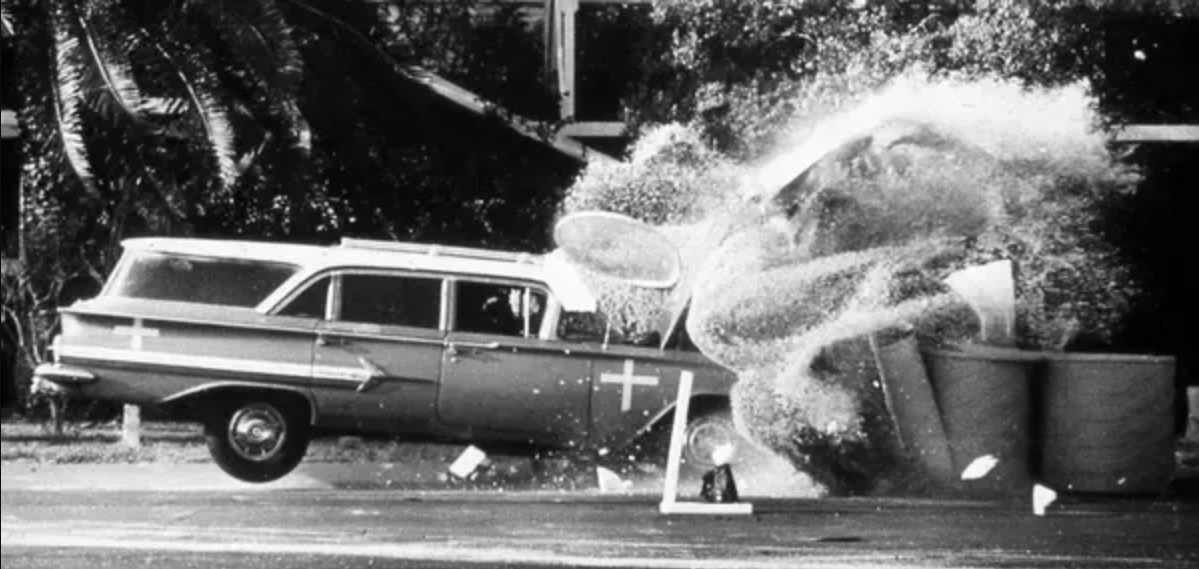
The path of least resistance is the option that offers the least resistance to your vehicle's motion the same concept that describes how water naturally flows around obstacles. In defensive driving, this principle applies when a collision becomes truly unavoidable: rather than freezing up or reacting randomly, you choose the path that causes the least overall damage.
If you have to choose between hitting a parked car or a street light, the street light is the path of least resistance. If your only options are a street light or a trash can, aim for the trash can. The underlying idea is the same in every case: among all the unavoidable options in front of you, choose the one that minimizes overall damage and injury.
A few practical tips for applying this principle:
- If a crash is unavoidable, steer toward the object that would cause the least damage.
- A glancing, angled impact generally causes far less damage than a head-on collision.
- Soft or yielding objects bushes, trash cans, mailboxes are preferable to rigid, fixed obstacles.
- Where possible, a moving object is generally preferable to a fixed object of similar size, since some of the impact energy is absorbed by relative motion.
This is a split-second decision, which is exactly why it's worth thinking through ahead of time so when the moment comes, you're reacting from preparation rather than panic. It pairs naturally with other core habits, like always leaving yourself an "out" a clear path to move into if your current lane suddenly becomes blocked.
This is just one piece of a much larger toolkit. Read our full guide to defensive driving strategies for more ways to anticipate hazards before they become unavoidable.